
Cloisonne enamel jewelry turns metal and glass into wearable art. This ancient craft began in Egypt and Byzantium over 2,000 years ago. Artisans today still use these same old methods. Each piece shines like stained glass and keeps its color forever.
The bright hues, fine details, and lasting beauty make it special. This guide shows you how makers create these pieces and how to care for them.
What Makes Cloisonne Enamel Jewelry Special?
The word “cloisonné” is French for “partitioned.” Ancient people in China, Egypt, and Byzantium created this art form. Every piece of jewelry today is still made completely by hand.
Colors That Last: Glass enamels fired in a kiln make colors that never fade. Thin metal wires form clean edges around each color area. The firing makes a hard glass surface that does not scratch easily. Your jewelry will look new for many years.
Rare and Valuable: Each cloisonne piece shows the maker’s skill and artistic eye. The work takes 15 to 20 separate steps to finish. This long process makes each piece rare. Collectors love cloisonne jewelry for its beauty and history.
Cultural Meaning: Different cultures made their own enamel styles over the centuries. Chinese pieces often show dragons and lotus flowers. European designs use geometric shapes and nature scenes. When you wear cloisonne, you connect to thousands of years of art history.
How Cloisonne Enamel Jewelry Is Made
Making cloisonne jewelry takes patience and skill. The process mixes metalwork, painting, and glasswork together.
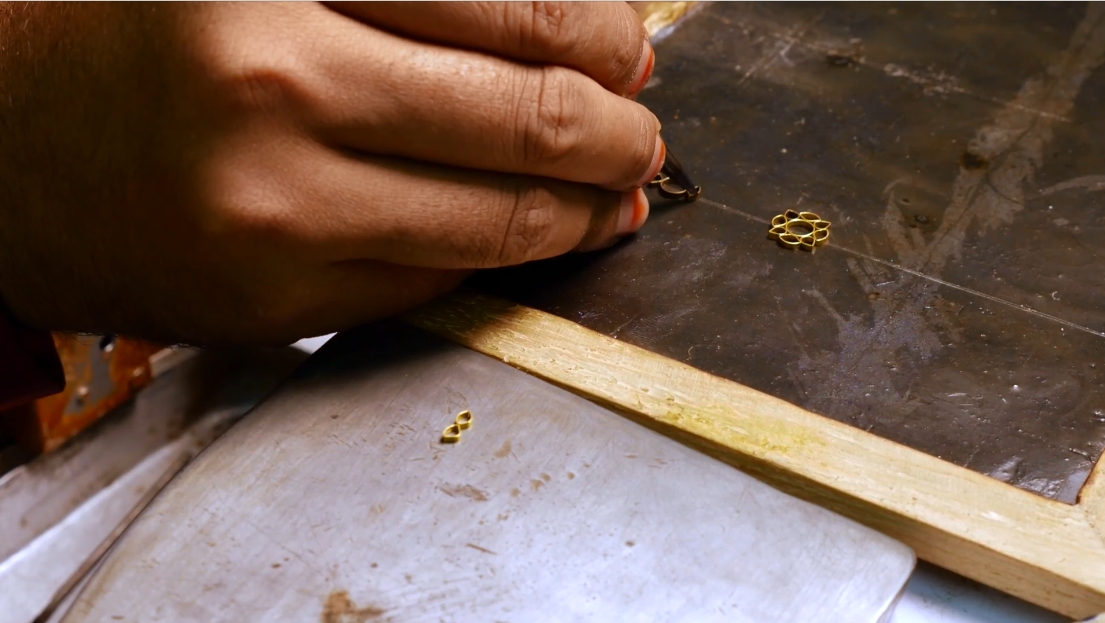
Design and Wire: The artist first draws the pattern on paper. Then they bend thin silver or gold wires by hand. These wires make small boxes called cloisons. Clear enamel glues the wires to the metal base.
Adding Color: Ground glass mixed with water makes the enamel paint. The artist paints it into each small box with a tiny brush. Each piece of jewelry needs 10 to 20 coats of paint. Thin layers work best because thick ones crack in the heat.
Firing in the Kiln: Workers fire each layer in a kiln at 1,400 to 1,500 degrees. The glass melts and sticks to the metal. The piece must cool before adding the next layer. This happens again and again until the boxes fill up.
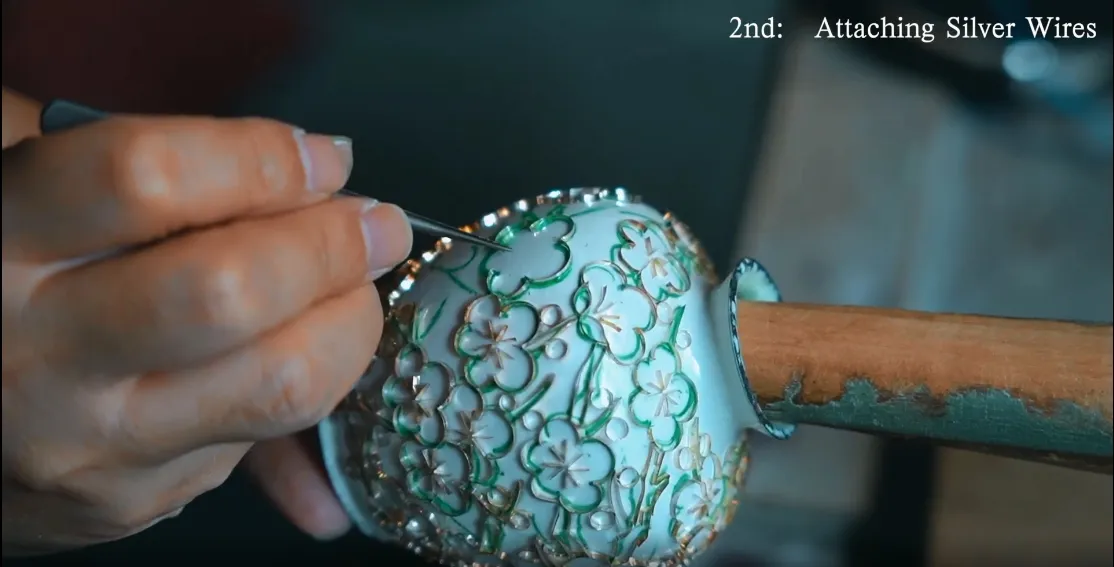
Final Steps: After the last filling, workers grind the surface flat and smooth. One more firing makes the glass-like shine. Then they polish it until it gleams. Last, they set it in a metal frame of gold or silver.
Understanding Enamel Quality Levels
Most buyers do not know that enamel comes in different quality grades. This helps you spot good work and avoid poor pieces.
Clear vs. Solid Colors: High-quality pieces often use clear enamels over carved metal. Light goes through these layers and bounces off the metal base. This makes depth and glow that solid colors cannot match. Clear work needs more skill because flaws show through.
Pure Glass Formula: Fine enamel jewelry uses lead-free glass recipes. Cheap pieces may have lead or other metals that dull over time. Premium enamels stay bright for hundreds of years. Ask sellers about their glass formula before buying costly pieces.
Wire Size Matters: The thickness of the partition wires affects how the piece looks and lasts. Wires that are too thin bend or break.
Wires that are too thick look heavy and crude. Master makers use wires between 0.3 and 0.5 millimeters thick. The space between wires also matters. Tiny cells can trap air bubbles inside.
Heat Control: Different enamel colors melt at slightly different temperatures. Red enamels usually need less heat than blues. Skilled makers adjust the kiln heat for each color layer.
This stops some colors from burning while others stay raw. Poor heat control makes muddy colors or rough surfaces.
The Science of Color That Lasts
Knowing why enamel colors stay bright helps you judge jewelry quality. Not all enamels resist fading the same way.
Metal Colors: Enamel colors come from metal oxides mixed into glass. Cobalt makes blue, copper makes green, and gold makes red. These metal oxides bond with the glass when heated. This chemical bond makes colors permanent.
Sunlight Resistance: Some cheap enamels use organic dyes instead of metal oxides. These dyes fade in sunlight over the years. Quality cloisonné enamel uses only metal oxide colors. Sunlight cannot break these chemical bonds, so they never fade.
Surface Wear Signs: Even good enamel can develop tiny cracks after many decades. Fine lines appear in the glass from hot and cold changes.
This happens more with daily-wear pieces in changing climates. The cracks do not change the color but reduce the shine. Expert re-firing can fix the surface in most cases.
Testing Authenticity: You can test enamel quality with simple methods. Hold the piece up to strong light. Quality enamel glows evenly without dark spots.
Cheap work often shows bubbles or uneven color. Check the wire edges too. They should sit flush with the enamel surface, not stick up.
Types of Cloisonne enamel jewelry Methods
Several enamel methods exist beyond basic cloisonné. Each makes different visual effects.
Standard Cloisonné: Wire walls create separate color boxes. This method allows the most complex designs. Most enamel jewelry uses this because it gives the best color control.
Plique-à-Jour: This French method means “letting in daylight.” The enamel has no metal backing under it. Light shines through like a church window.
These pieces look delicate and need great skill. The enamel must stay in the wire frame without support underneath.
Champlevé: Makers carve or etch dips into solid metal. Then they fill these low spots with enamel. This gives rich, deep colors. Champlevé works well for bold, simple designs.
Basse-Taille: The maker first carves texture into the metal base. Then they put clear enamel over this texture. The carved pattern shows through the glass. This adds interest to plain color areas.
Popular Cloisonne enamel jewelry Types
Different jewelry types suit different styles and occasions. Knowing your choices helps you pick pieces you will wear often.
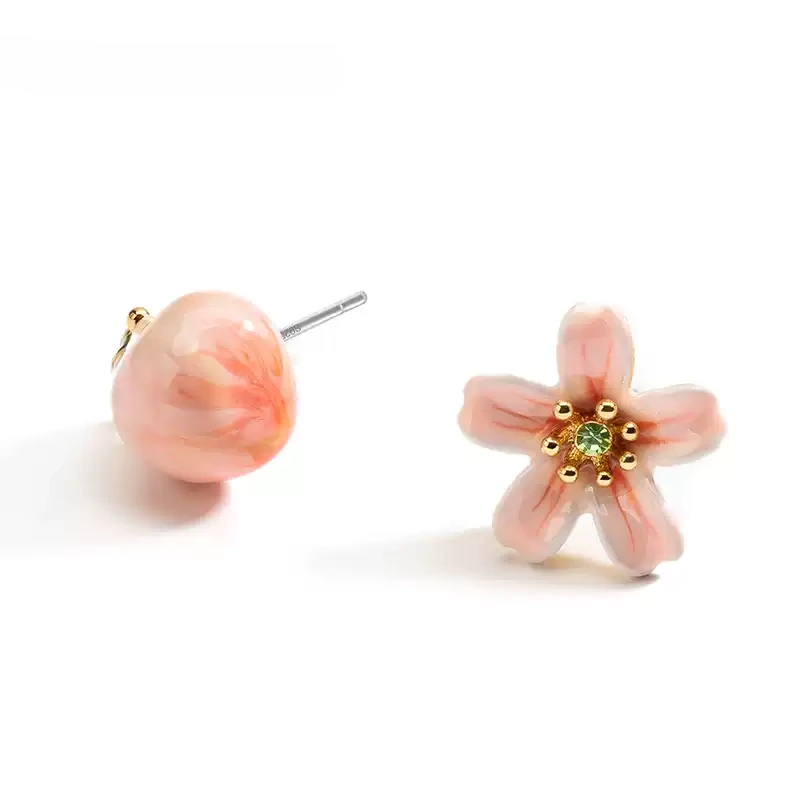
Earrings: Cloisonne earrings show bright flowers or geometric patterns. They feel light even with fine details. The glass enamel adds color without weight. These work for both casual and dressy events.
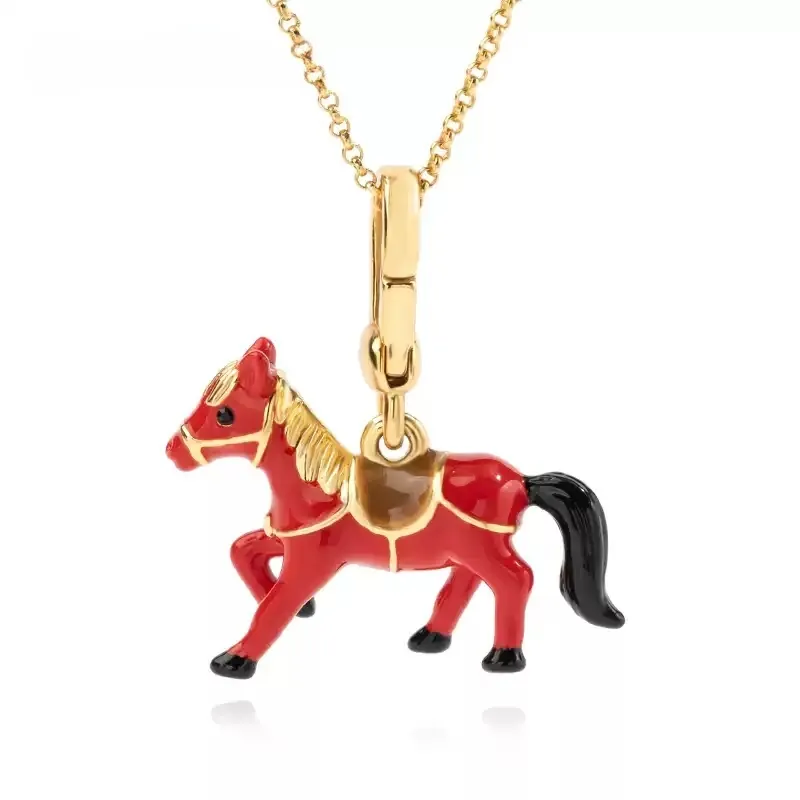
Pendants: Big pendants display detailed landscapes or nature themes. Sizes go from small to large based on what you like. A pendant lets you show more detailed artwork than small pieces. Many collectors start here because pendants show the craft best.
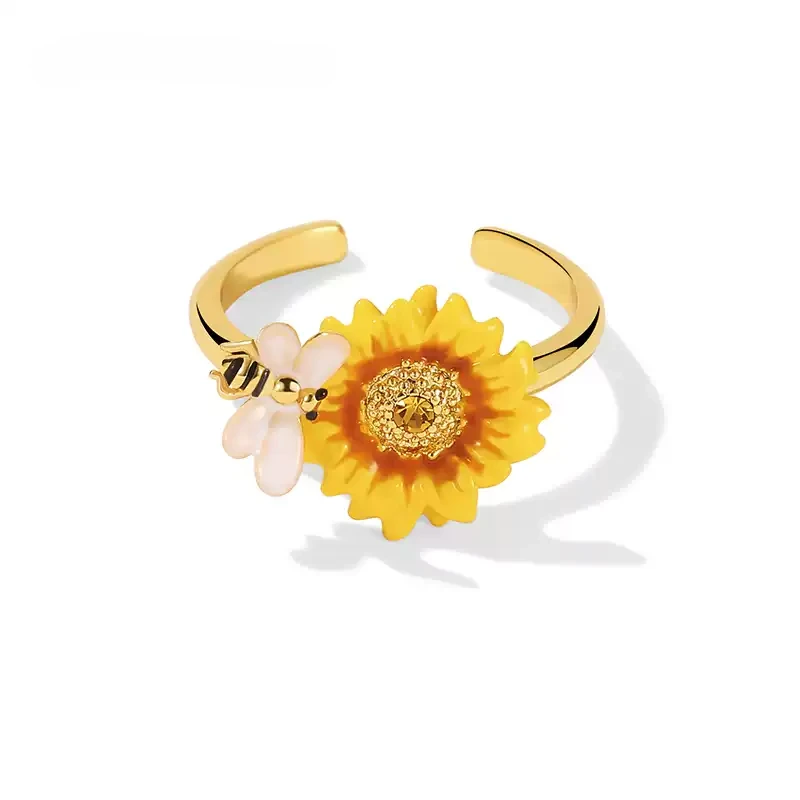
Rings: Cloisonne rings pack great detail into tiny spaces. The hard surface makes them good for daily wear. Quality rings have raised edges that protect the enamel. This stops the glass from scraping against hard things.
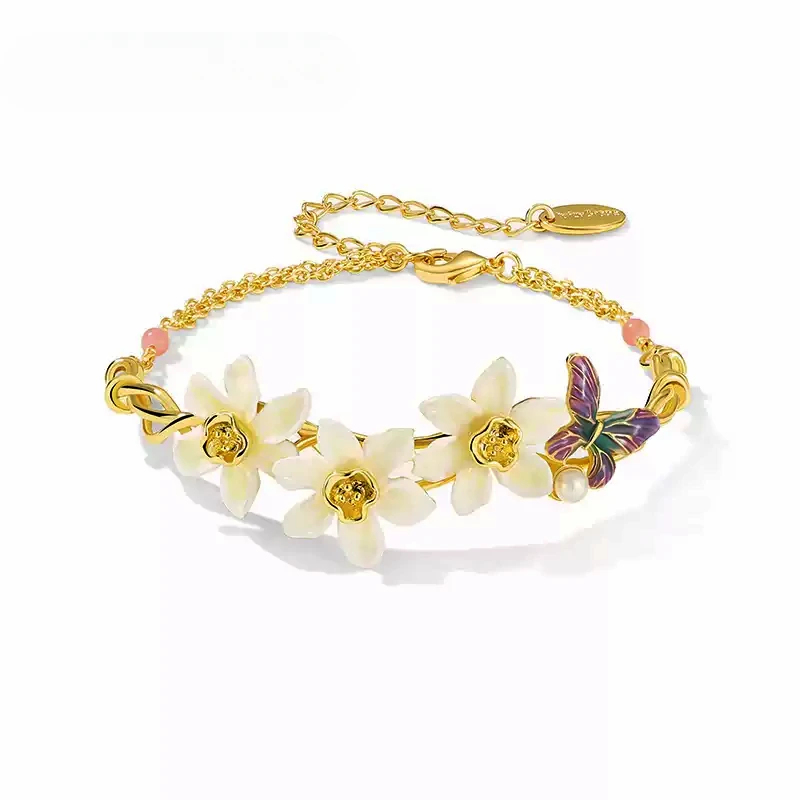
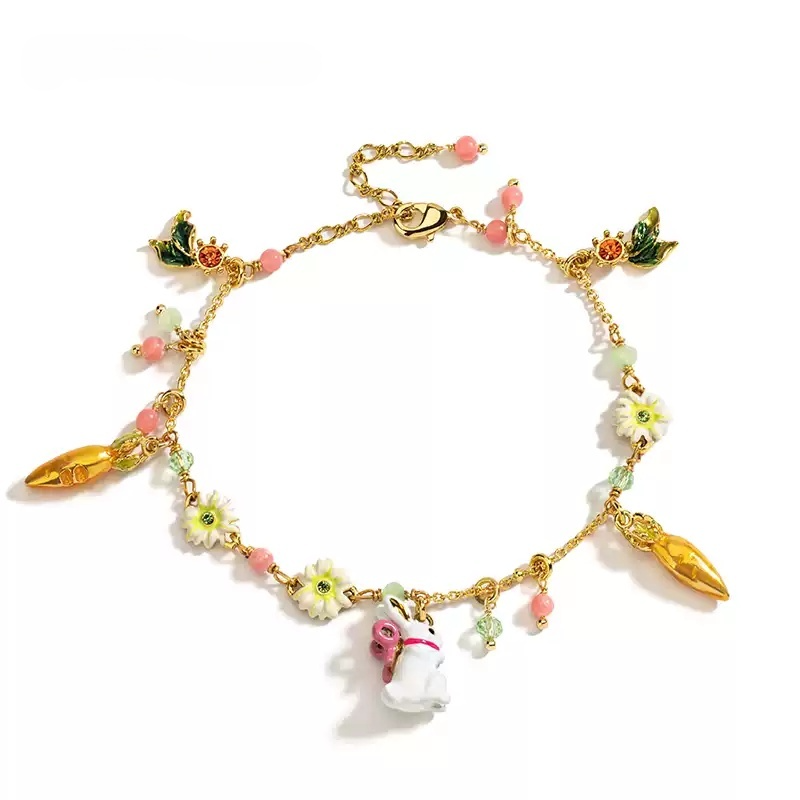
Bracelets: Link bracelets can have many cloisonné parts. Each link becomes a small canvas for different designs. The mix of colored enamel and shiny metal looks striking together.
Caring for Your Cloisonne enamel jewelry
Good care keeps your cloisonne jewelry beautiful for many years. The glass enamel resists most damage but needs some protection.
Daily Care: Wipe your pieces with a soft, damp cloth after you wear them. This removes oils and dirt before they build up. Do not use harsh cleaners like bleach or ammonia. Never use ultrasonic cleaners because they can crack enamel.
Storage Tips: Keep each piece alone in a soft pouch. The glass enamel can scratch other jewelry or get scratched by it. Keep pieces away from fast temperature changes. Take off jewelry before swimming, showering, or working out.
Long Life: The glass surface never fades or changes color. Metal wires protect the enamel edges from chips. With good care, quality cloisonne lasts for hundreds of years. Get professional cleaning once a year to remove tough buildup safely.
Repair Options: Small chips can happen if you drop a piece on a hard floor. Skilled enamel artists can often repair minor damage. They add new enamel to the damaged spot and re-fire it.
However, repairs cost money and may show slightly. Prevention through careful handling works better than fixing damage later.
TwistGem’s Real Cloisonne Collection
TwistGem makes handcrafted enamel jewelry using old European methods from 1368. Each piece mixes historical art with modern design.
Skilled makers work only with 18K gold and sterling silver. Kilns reach 1,500 degrees to melt premium glass enamels. Every item comes with a certificate that lists the enamel jewelry materials and methods used.
Buying Timeless Beauty
Cloisonne enamel jewelry means more than just decoration. Each piece carries centuries of art tradition and many hours of skilled work. The bright colors never fade and the fine designs never go out of style.
The long creation process makes every piece unique and worth the price. You wear tiny paintings that catch and reflect light beautifully. This jewelry becomes a family treasure that lasts for many generations.
Think about starting your collection with a pendant or earrings you love. Look for pieces with clear, bright colors and neat wire work. Ask about the glass recipe and firing methods used.